
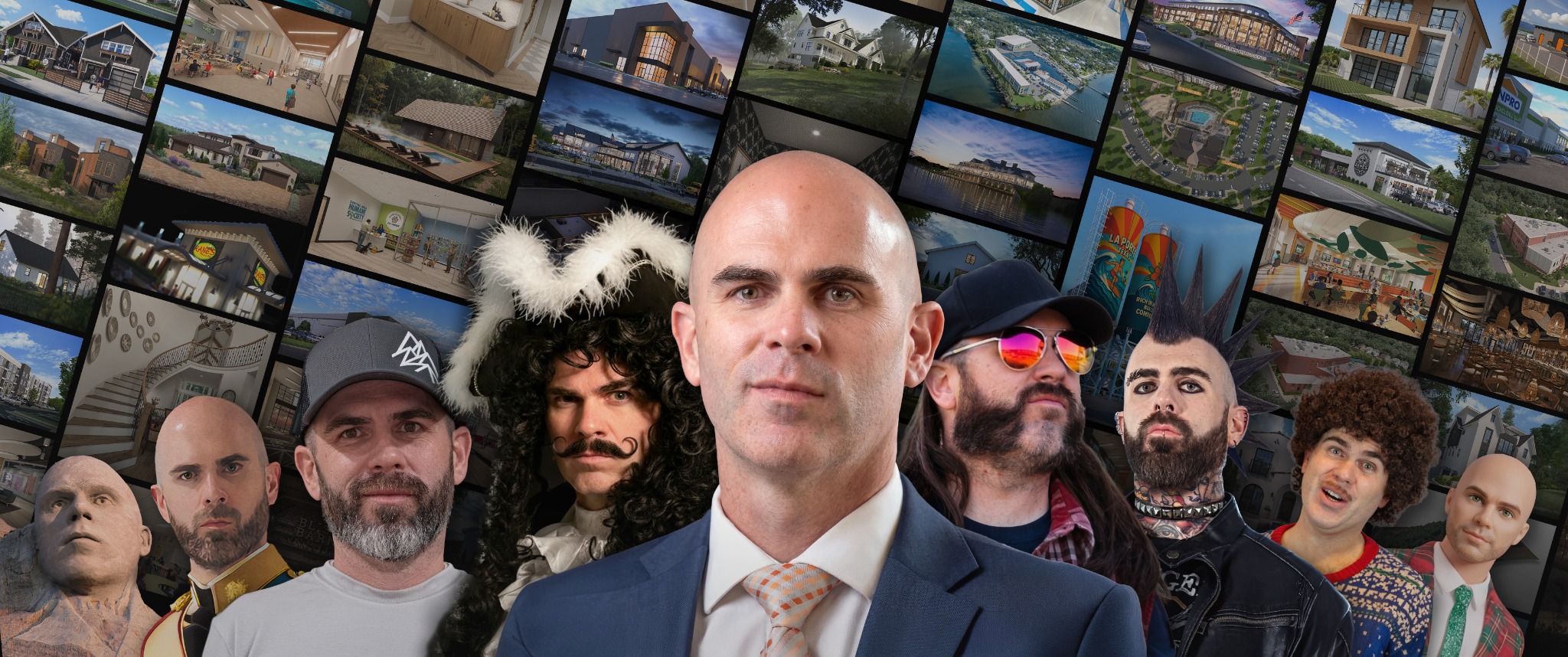
Leading the team
AnimationsPersonally produced
RenderingsPersonally produced
Head of R&D
My 21-year career atat a glance.
- 2005
Built the foundation
Joined XR3D Studios as an entry-level 3D modeler.
- 2006
Led innovation
Mastered the studio’s tools and led the team in new approaches.
- 2007
Ran operations
Took responsibility for day-to-day studio operations.
- 2008
Led the business
Carried co-owner responsibilities across operations, creative direction, business strategy, and finances.
- 2012
Became 50% owner
Officially bought into the company.
- 2026
Constant learning and growth
Taking on the most challenging projects and using AI across all facets of production and project management.
How I moved the
business forward.
A closer look at the systems I built, the decisions I made, and the people I helped succeed.
Learning & team developmentLearned new tools, then brought the team with me
When I joined XR3D in 2005, the studio worked in Rhino, Flamingo, and Microsoft Image Composer. Within three to four months, I had learned the existing workflow and was exploring what we could do next. By 2006, I was leading R&D in practice, before it became my formal title.
I studied the strongest work in the industry and invested about two hours a night in learning how to raise our own standard. I tested new methods on real projects, developed practical workflows, and taught the team. That included the move to 3ds Max, V-Ray, and Photoshop, followed by years of new rendering, animation, and AI tools.
R&D & business judgmentBalanced better work with a profitable way to produce it
A tool had to do more than make a beautiful image. I evaluated whether the team could learn it, how it would affect production time, and whether the improvement justified the cost. I led the testing and adoption of tools such as Forest Pack, proving the process before asking everyone else to change.
Some promising tools added too much complexity or time to be practical. My job was to weigh quality, speed, training, and profitability together, then choose an approach we could sustain.
Operations & peopleLed the production team while remaining its top producer
I coordinated projects across the company while continuing to take on the most difficult work myself. I helped scope and price unusual requests, anticipated technical risks, and matched assignments to each person's strengths, capacity, and deadlines.
Competing client deadlines meant constantly balancing priorities and workloads. I ran morning meetings and reviews, hired and coached employees, worked through team conflicts, and coordinated with my business partner and our finance lead. As my responsibilities grew, I was functioning as a business partner before purchasing 50% ownership in 2012.
Infrastructure & problem solvingBuilt and maintained the systems production depended on
When rendering on individual workstations became a bottleneck, I learned how to network our computers and distribute rendering through Backburner. I set up the system, solved the problems, and made it part of our production workflow.
I also learned to build computers and, for several years, built the studio's workstations. I handled software installation and updates, hardware failures, troubleshooting, and malware cleanup. That responsibility continued as our infrastructure developed into a centralized render farm and remote production systems.
Process improvementTurned a money-losing request into a repeatable service
Our first 2D colorized floor plans were treated as one-off Photoshop projects. When the requests kept coming, the amount of custom work made them unprofitable.
I learned Illustrator, developed a standardized vector workflow, and taught entry-level team members to produce the plans. The work no longer depended on my doing every plan personally, and colorized floor plans became a profitable service in our toolkit.
Client understanding & deliveryFound the way forward when the brief was unfamiliar or incomplete
Clients often asked for something we had not produced before. I became the person who researched the possibilities, tested different approaches, and figured out how to deliver it. I also helped identify likely problems before the work was quoted or assigned.
When the starting information was limited, I worked with clients to understand what they were trying to communicate and turn that intent into a concrete visual direction. Anticipating their needs helped reduce avoidable revisions and the time lost to misunderstandings.
Systems & business visibilityBuilt an operations database around how the business actually works
I wanted a clearer view of our projects, our time, and what the work actually cost. I designed and built a custom operations system using AI-assisted development, connecting the day-to-day production workflow with the information we needed to run the business.
- Project and client recordsCentralizes project numbers, client contacts, billing parties, scope, line items, and project history.
- Production planningTracks project status, modeler and artist assignments, target dates, hard deadlines, and work waiting to be assigned.
- Profitability visibilityCompares recorded labor costs and project expenses with revenue, including artist and modeler breakdowns and client-level trends.
- Project-linked timecardsConnects time tracking to projects, supports switching between assignments, and retains timecard edits and work history.
- Payroll preparationOrganizes pay periods, paid holidays, overtime, and bonuses, and generates payroll PDF reports.
- Quotes and electronic signaturesGenerates agreement PDFs with signing links, collects client signatures online, and retains original and signed versions.
- Quote-view historyShows when an agreement was opened, including repeat visits, alongside its signing status and history.
- Billing and payment trackingTracks payments, outstanding balances, amounts due, separate billing contacts, and QuickBooks invoice references.
- Hourly billingUses recorded project time to calculate hourly line items and update the amount to be billed.
- Service promotionsAdds visual promotions for other studio services to client documents and tracks engagement with those links.
- Business reportingSummarizes quoted and acquired work, conversion rates, monthly and weekly activity, and historical comparisons.
- Team coordinationKeeps employee project notes, completion feedback, payment alerts, and time warnings close to the work they affect.
- Access and continuityProvides different views for administrators, artists, and modelers, with draft recovery and downloadable backups of business records and agreement PDFs.
Business adaptationMoved production beyond the office
I led the move to remote production, connecting Dropbox, local asset libraries, workstations, and a centralized Deadline render farm. I managed the practical details of how people would access their work and keep producing from different locations.
The transition eliminated office and associated occupancy costs while retaining the shared tools and production oversight the team needed.
Initiative & adaptabilityModernized how clients discover and understand our work
I took on the modernization of XR3D's website and rebuilt its SEO foundations to help clients discover the company and understand what we offer. I organized our work into clearer service pages and expanded how we present animation, technical documents, and interactive 3D models.
It was another opportunity to learn beyond my original role and apply that learning to a business need.
My rendering portfolio.
Every image in this gallery was modeled, rendered, and post-produced by me, Grant Rane.
Renderings personally created by Grant Rane.
Tools of the craft
 Rhino
 3ds Max
 V-Ray
 Chaos Vantage
 Chaos Anima
 Photoshop
 Premiere Pro
 After Effects
 Illustrator
 Deadline
 ComfyUI
 ChatGPT
 Kling
My animation portfolio.
Animation personally created by me, Grant Rane.
Watch Full-Length Animations
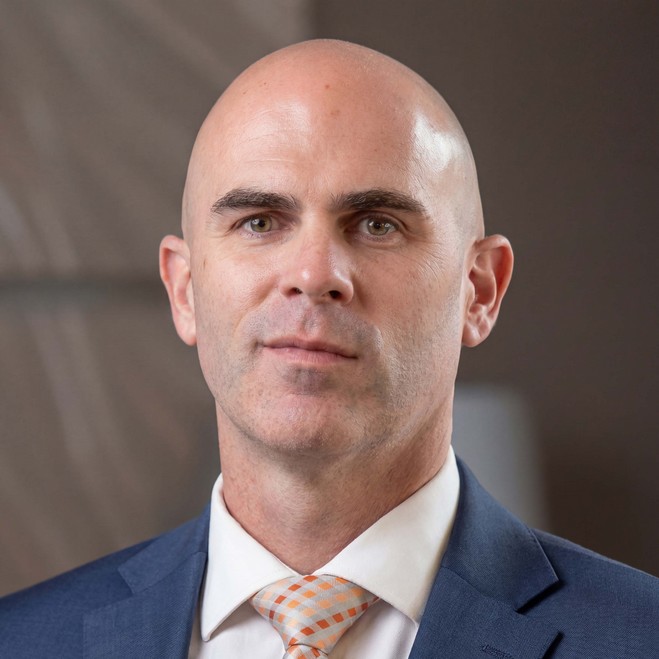
A little about me
An artist’s eye.
An operator’s mindset.
I started at XR3D Studios as an entry-level 3D modeler in 2005. By 2006, I had learned the studio’s tools and was leading the team in innovation and new approaches.
By 2007, I was running operations. By 2008, I was carrying the responsibilities of a co-owner, overseeing daily operations, creative direction, business strategy, and financial decisions.
In 2012, I officially bought into the company, becoming a 50% owner.
I’m self-taught, hands-on, and always learning. I care about tools that help people do better work and building a team that knows how to use them.
Away from the desk
A little more
about me.
NICA leader
Good trails.
Better company.
I’m an avid mountain biker, especially when I get to ride with friends and family. I’ve also spent seven years as a NICA mountain bike leader, sharing that love of riding with young athletes.
A Rane family
production.
I love dreaming up fun Halloween and Christmas photos with my family. A little imagination, a few costumes, and a lot of personality.
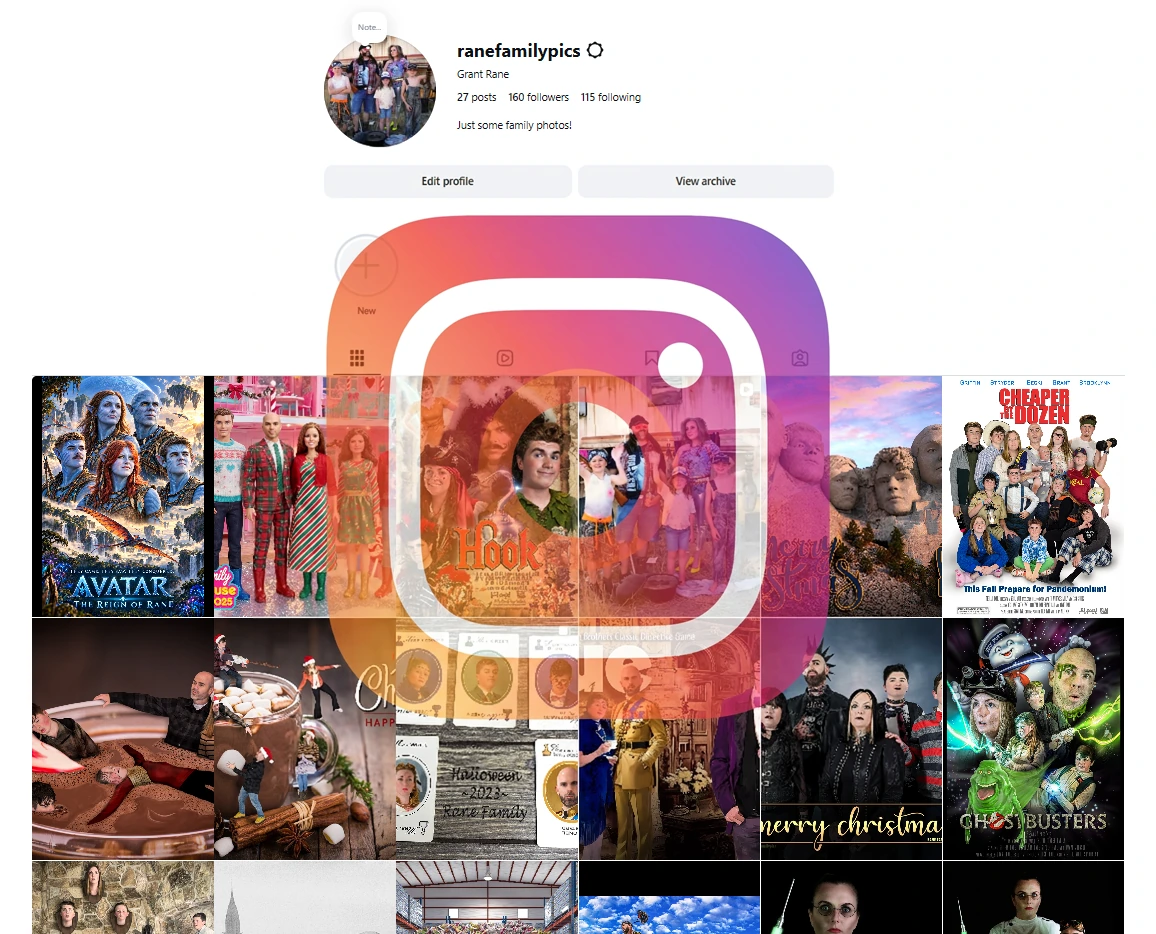 More on Instagram
Showing up
for others.
I’m a faithful member of The Church of Jesus Christ of Latter-day Saints. I’ve served in the Church for many years, including a two-year mission in the El Salvador San Salvador East Mission.
in El Salvador
Always a project
in the works.
I grew up in the construction industry, and I still love working with my hands. I finished my entire basement myself and designed and built my own pergola.
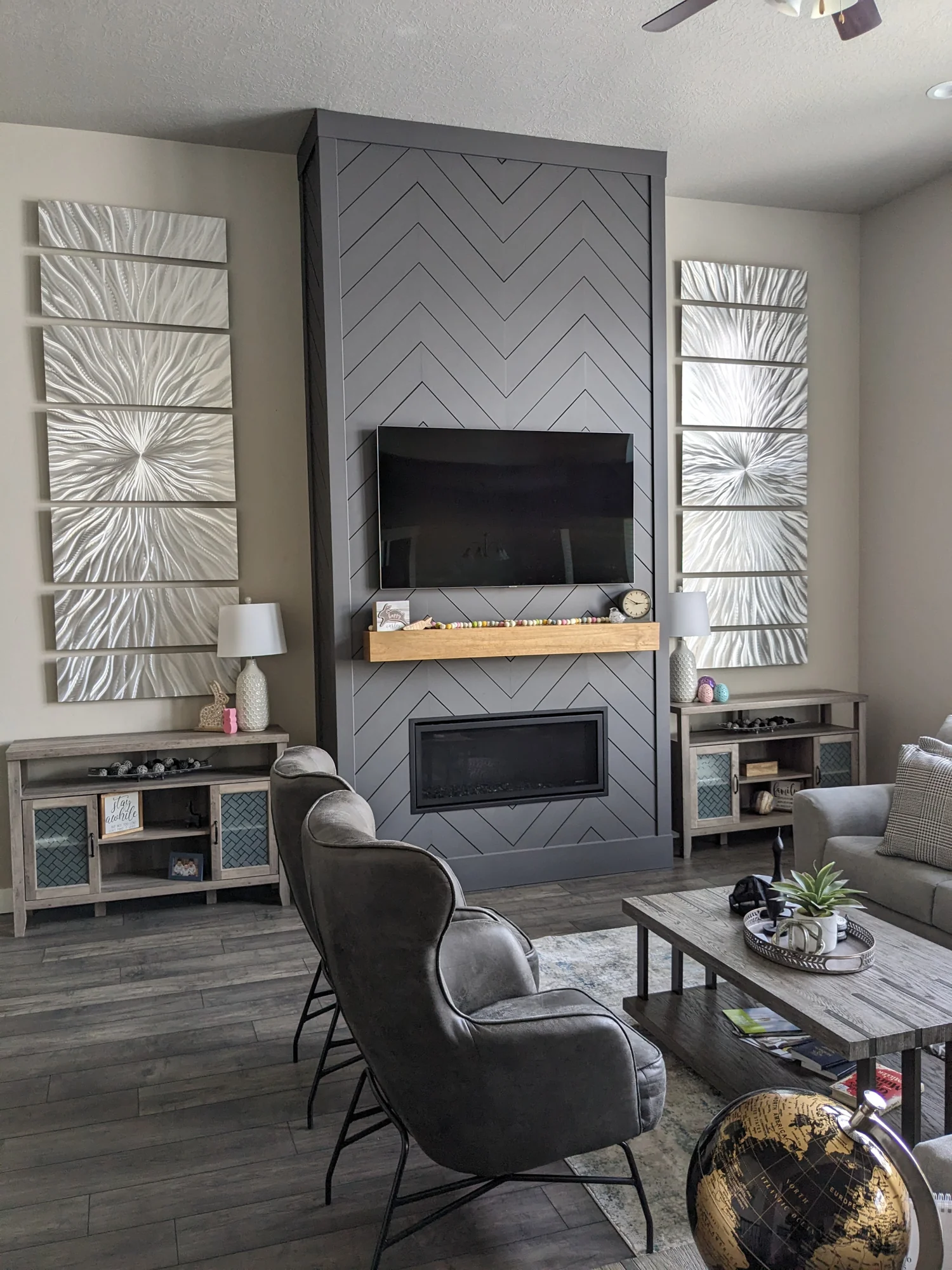
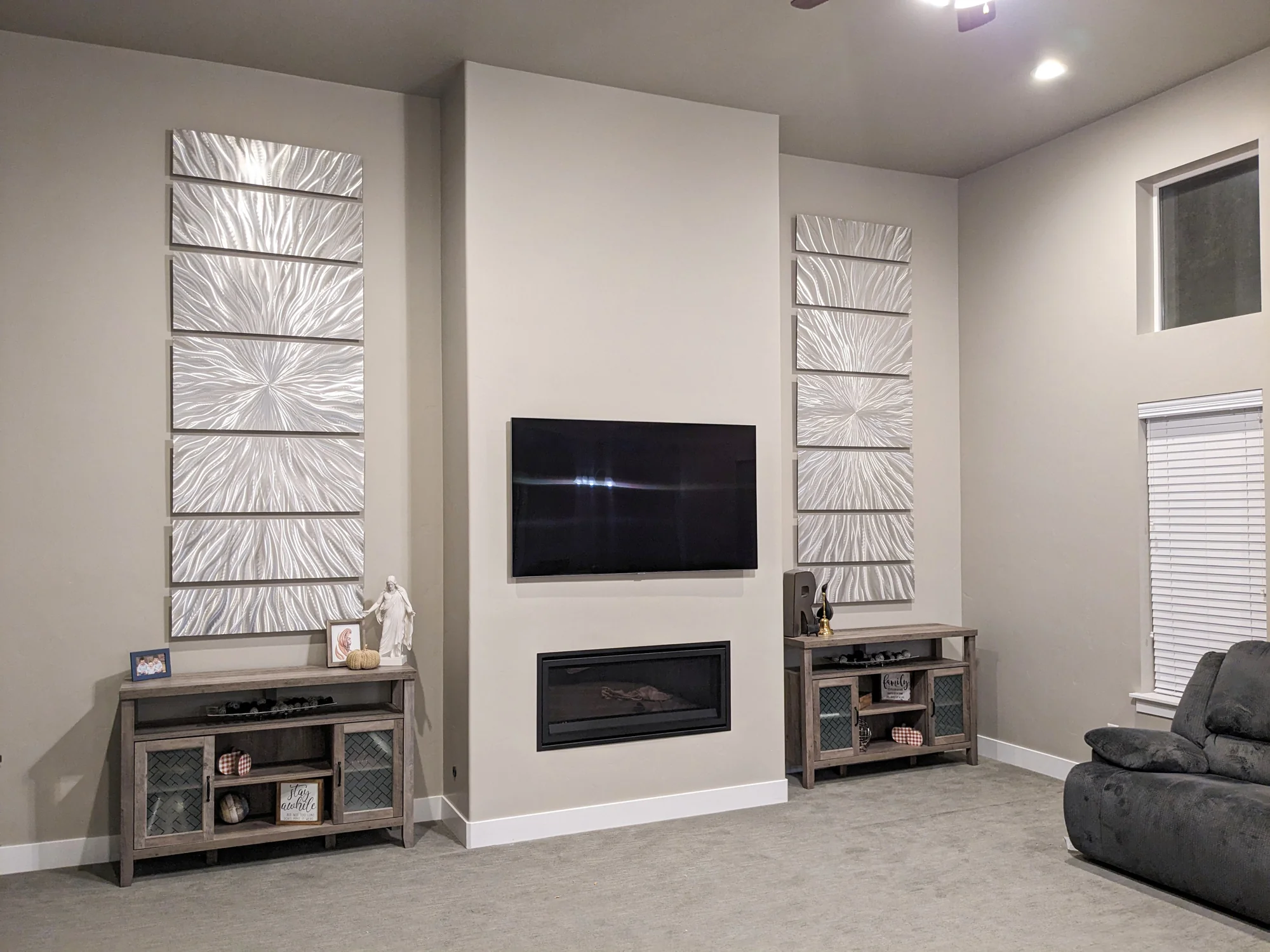
Mantel and chevron shiplap designed and built by hand, with flooring I installed myself.